.CERLogo3transparent-7313a570770bb3142a63e5692ed7bf7f69caf1131cb643441f24def7866d9a0e.png)
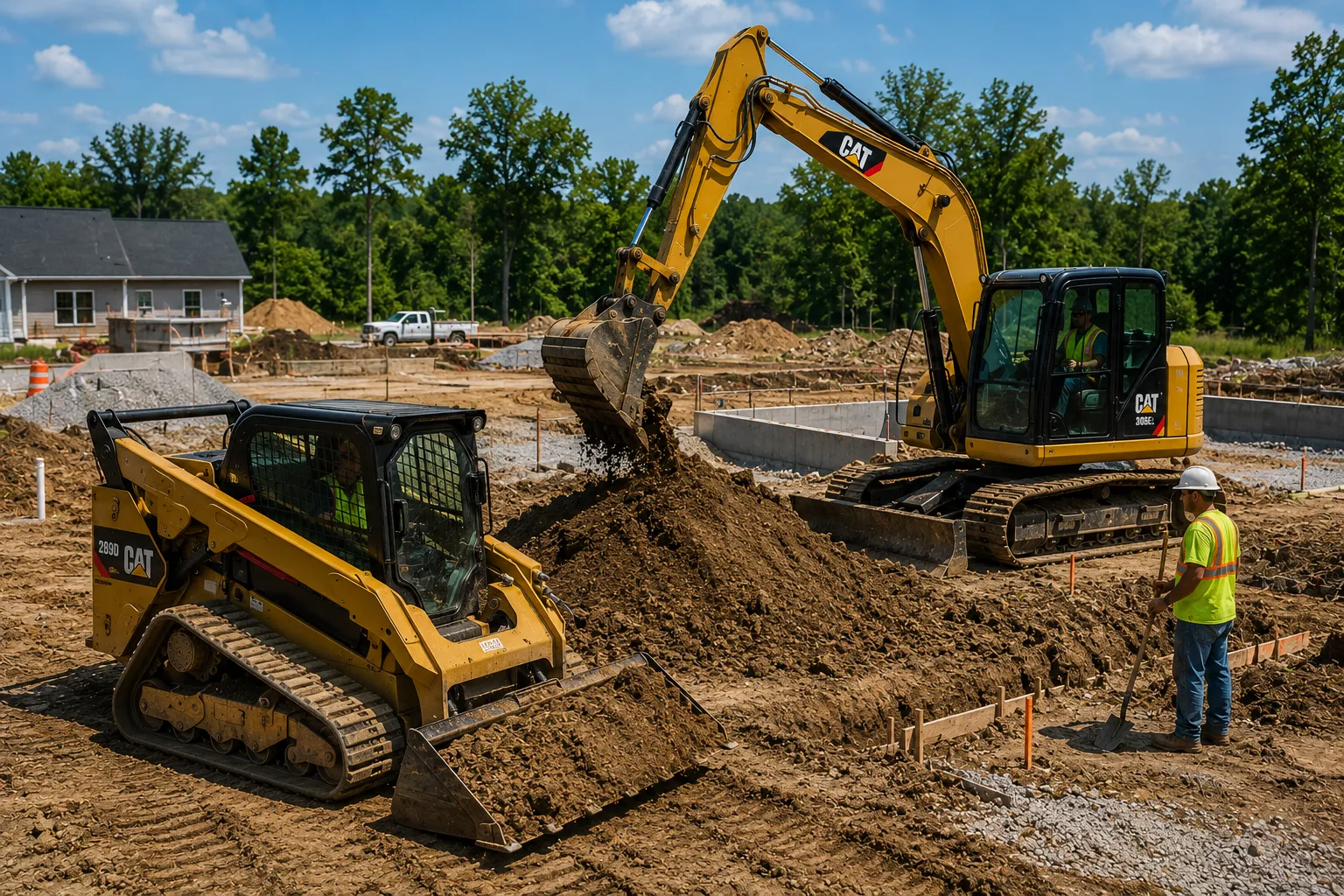
Heavy equipment helps complete jobs faster, safer, and more efficiently—but only when operated properly. Whether you're using a skid steer, excavator, dump trailer, chainsaw, or other construction equipment, safety should always be the top priority.
Accidents involving heavy machinery can result in serious injuries, property damage, and costly downtime. Following a few simple safety practices can significantly reduce risks and help keep your project running smoothly.
1. Perform a Pre-Operation Inspection
Before starting any machine, take a few minutes to inspect it thoroughly.
Check for:
- Fluid leaks
- Damaged hoses
- Loose hardware
- Worn tracks or tires
- Safety decals
- Lights and warning indicators
- Attachment connections
A quick inspection can identify potential problems before they become expensive repairs or safety hazards.
Tip: Never operate equipment that appears damaged or unsafe.
2. Wear Proper Personal Protective Equipment (PPE)
The right safety gear can help protect you from common job site hazards.
Recommended PPE includes:
- Hard hat
- Safety glasses
- Hearing protection
- High-visibility vest
- Work gloves
- Steel-toe boots
For chainsaw operation, additional protection such as chainsaw chaps and a face shield should be worn.
While PPE may seem inconvenient at times, it can prevent serious injuries and save lives.
3. Know Your Surroundings
Before moving any equipment, inspect the work area.
Watch for:
- Power lines
- Underground utilities
- Ditches and drop-offs
- Soft or unstable ground
- Buildings and structures
- Vehicles
- Pedestrians and bystanders
Many accidents occur because operators become focused on the machine and lose awareness of what's happening around them.
Always maintain a safe work zone and keep unauthorized people away from operating equipment.
4. Operate Equipment Within Its Limits
Every machine is designed for specific tasks and capacities.
Avoid:
- Overloading buckets
- Exceeding lifting capacities
- Operating on unsafe slopes
- Towing more than the machine is rated for
- Using attachments improperly
Pushing equipment beyond its intended limits increases wear and creates unnecessary safety risks.
If you're unsure about a machine's capabilities, consult the operator's manual before beginning work.
5. Stay Focused and Never Rush
Many job site accidents occur when operators become distracted, fatigued, or rushed.
Always:
- Use seat belts when equipped
- Keep both hands on controls when operating
- Avoid cell phone use while running equipment
- Take breaks when tired
- Follow proper operating procedures
Completing a job safely is far more important than completing it quickly.
A few extra minutes spent operating carefully can prevent injuries, equipment damage, and costly delays.
Bonus Tip: Read the Operator's Guide
Every machine operates differently.
Even experienced operators should review:
- Control layouts
- Safety features
- Operating procedures
- Maintenance requirements
- Emergency shutdown procedures
Understanding the machine before starting work helps reduce mistakes and improves productivity.
Safety Starts Before the Engine Does
Heavy equipment is a valuable tool, but it demands respect and attention. By inspecting your equipment, wearing proper PPE, maintaining situational awareness, operating within machine limits, and staying focused, you can dramatically reduce the risk of accidents on the job site.
At Cornerstone Equipment Rentals, we believe that safe operators are successful operators. If you have questions about any piece of rental equipment, we're always happy to help you understand the machine before you start your project.